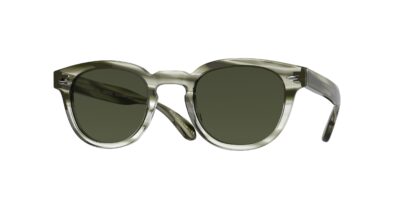
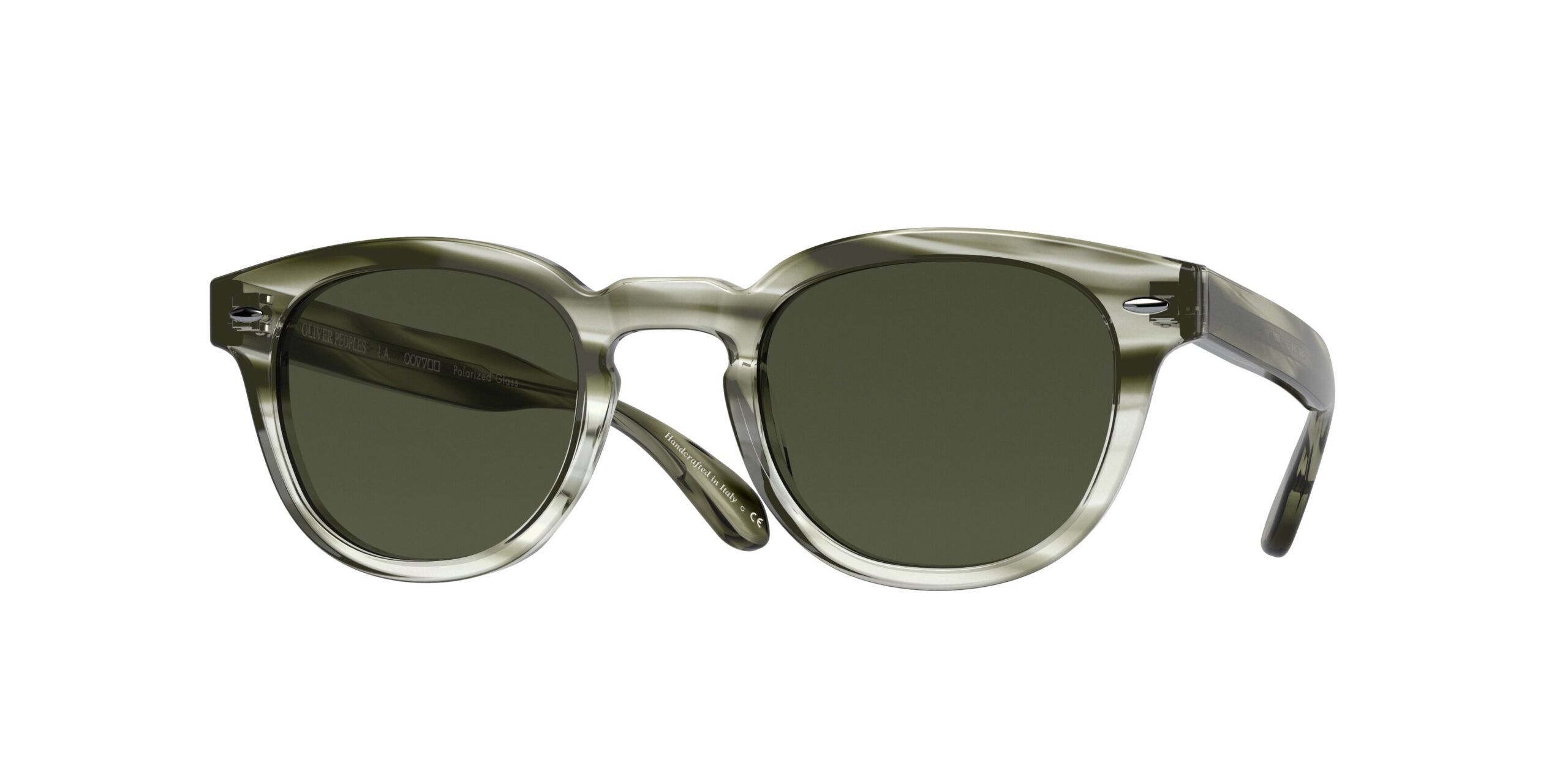
In the late 2000s, Ashley Olsen’s off-duty style was already heading toward the refined, deliberately anonymous aesthetic that would define her later years. Leaving Barney’s in New York in 2009, she paired an oversized scarf and dark layers with a pair of Oliver Peoples Sheldrake sunglasses — a frame that matched the mood precisely: slim, understated and quietly expensive-looking without trying to be.
The Sheldrake’s rectangular, keyhole-bridged acetate profile had the kind of intellectual reserve that suited Olsen’s emerging sensibility. There was no branding, no flash — just clean proportions and a subtle vintage undertone that felt personal rather than borrowed. Against the Manhattan backdrop, the glasses functioned as both a shield from the street-level glare and a signal of intent: someone who thought carefully about what she wore and why.
This period was formative for Olsen. Her transition from child actor to fashion designer was underway, and her personal style was shedding any remaining traces of Hollywood accessibility in favour of something more aloof and considered. The Sheldrake sighting captures a moment when the silhouette was already in place — the oversized proportions, the layered textures, the preference for pieces that reward a second look rather than demanding the first.