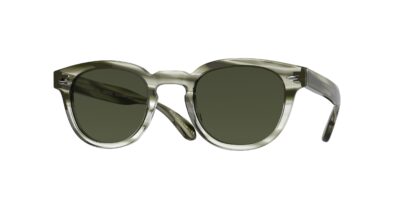
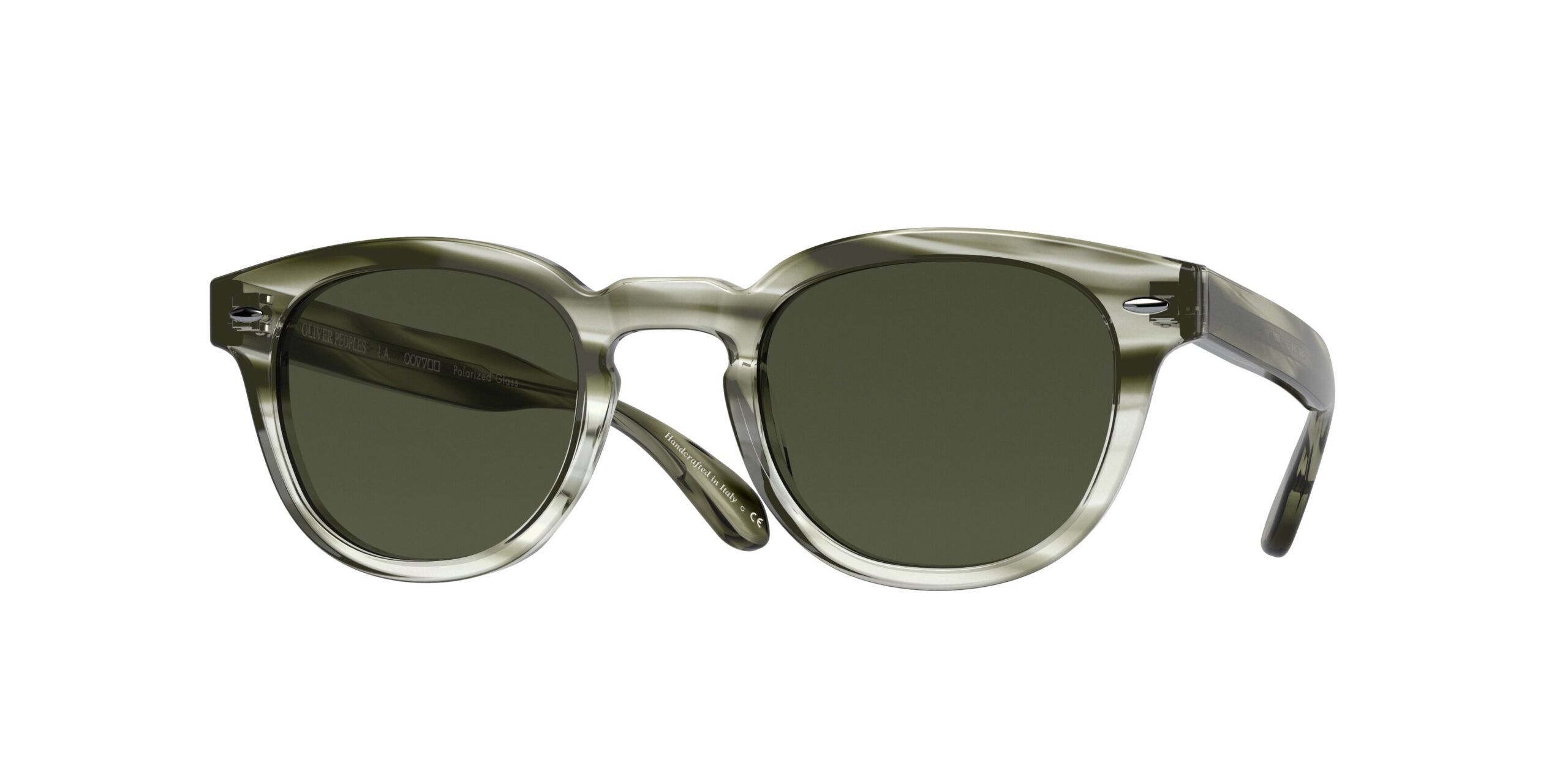
Two years after the Barney’s sighting, Ashley Olsen was spotted leaving the Greenwich Hotel in 2011 wearing the same model — the Oliver Peoples Sheldrake — now functioning less as a choice and more as a signature. By this point, her aesthetic had solidified into something instantly recognisable: dark, layered, deliberately oversized and intellectually curated, with the Sheldrake sitting at the centre of the look like a quiet punctuation mark.
The fact that she returned to the same frame across multiple years says a great deal about how Olsen approaches personal style. She does not chase novelty; she finds shapes that work and sticks with them, building a wardrobe around consistency rather than variety. The Sheldrake’s slim rectangular profile, subtle keyhole bridge and matte acetate finish suited this philosophy perfectly — a frame that gets better with repetition, not worse.
In a fashion landscape where constant change is the default, Olsen’s loyalty to specific pieces reads as genuinely distinctive. The Greenwich Hotel sighting, coming long after the Sheldrake had cemented itself in her rotation, reinforces the idea that the most interesting style is often the one that does not feel the need to prove anything new. It is the kind of quiet commitment that rewards those paying attention.