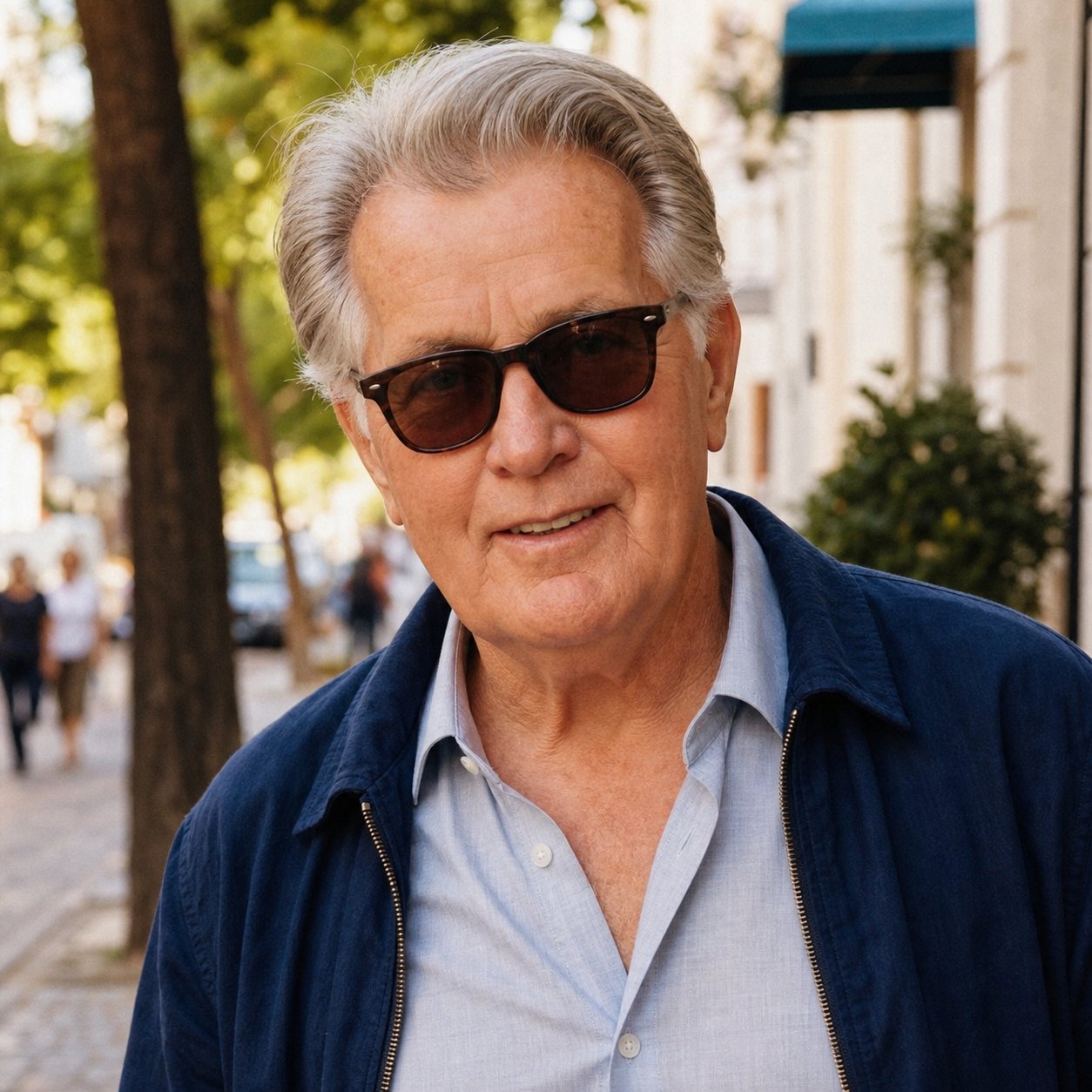
The Conscience of American Acting
Martin Sheen was born Ramón Antonio Gerard Estévez in Dayton, Ohio, in 1940 to a Spanish immigrant father and an Irish mother. He adopted the stage name Martin Sheen early in his career, borrowing from CBS casting director Robert Dale Martin and Archbishop Fulton J. Sheen. His early work in television and theater established him as a performer of unusual intensity and commitment, and by the late 1960s he was a sought-after young actor in both New York and Los Angeles.
His breakthrough film role came in Terrence Malick's Badlands, a lyrical, haunting portrait of a young couple on a killing spree. Sheen's performance as Kit Carruthers, a charismatic garbage collector turned murderer, was chilling and magnetic. But it was his casting as Captain Benjamin L. Willard in Francis Ford Coppola's Apocalypse Now that secured his place in cinema history. The production was legendarily grueling — Sheen suffered a heart attack during filming — but the result was one of the most powerful performances ever committed to film, a descent into moral darkness that remains harrowing decades later.
While his film career continued with notable turns in Wall Street, The Departed, and Gandhi, it was television that brought Sheen his widest audience. As President Josiah Bartlet on Aaron Sorkin's The West Wing, Sheen embodied an idealized leader — brilliant, principled, flawed, and deeply human. The role earned him a Golden Globe, six Emmy nominations, and the permanent affection of viewers around the world. Off screen, Sheen has been a committed activist for social justice, environmental causes, and peace advocacy, frequently risking arrest for his beliefs.
Quiet Dignity and Classic Sunglasses
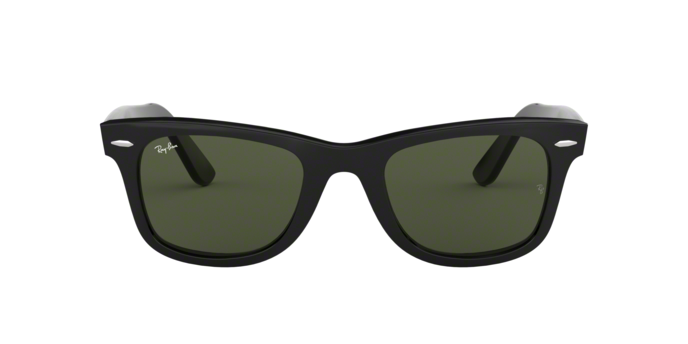
Sheen's personal style mirrors his public persona: dignified, timeless, and refreshingly devoid of vanity. He favors simple, well-made clothing — jackets, sweaters, button-downs — worn with the ease of someone whose authority requires no external validation. His sunglass choices are reliably classic: traditional aviators, round metals, and understated frames that have been part of his look for decades. Whether on a film set, at a political rally, or spending time with his large family, Sheen's eyewear reinforces the impression of a man who has seen history unfold and remains engaged, curious, and grounded. In an era of manufactured celebrity, his authentic presence — and his unchanging taste in sunglasses — offers a model of what enduring public life can look like.