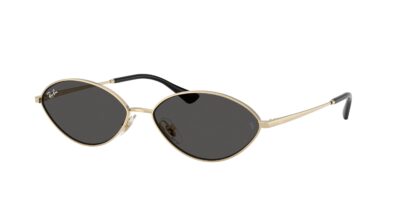
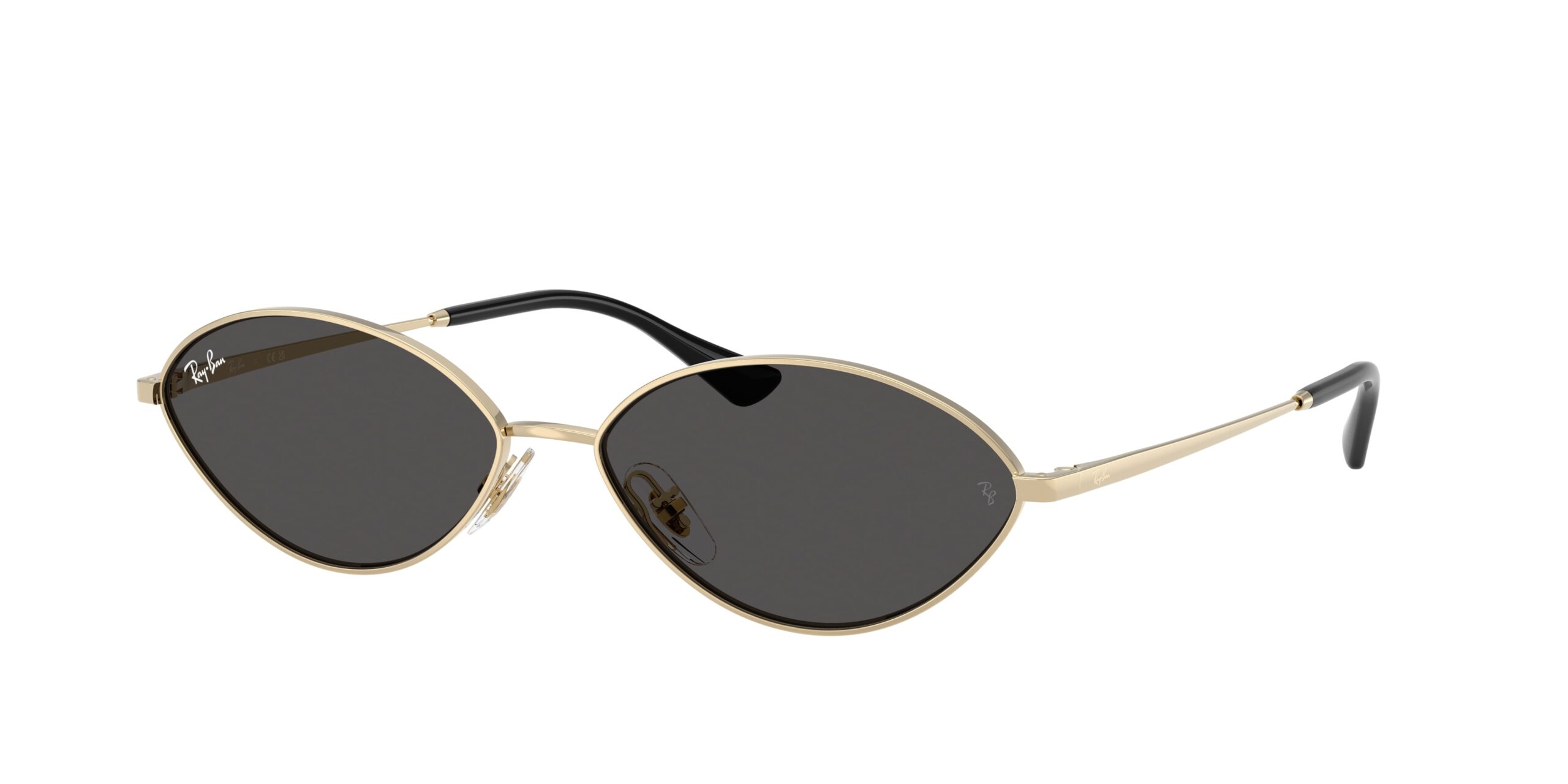
Lewis Hamilton has never treated a Grand Prix weekend as just a race, and the 2025 Australian Grand Prix in Melbourne was no exception. The seven-time world champion arrived in the paddock wearing the Ray-Ban Kai RB3757, a frame that takes the aviator silhouette into slimmer, more streamlined territory. Where the classic Aviator leans into its military heritage with pronounced teardrops, the Kai pares things back — a flatter lens, thinner metal construction, a profile that feels more contemporary than nostalgic.
The dark green tinted lenses and gold-toned frame on Hamilton created a refined, athletic presence against the bright Melbourne morning. Albert Park's lakeside circuit throws unique lighting conditions — dappled tree cover, reflective water, harsh Australian sun — and the Kai's compact lens shape handled the variability with composure. There is a precision to this frame that suits a driver known for his meticulous approach: nothing extraneous, every line serving a purpose. Where some paddock eyewear choices announce themselves, the Kai worked quietly, letting Hamilton's race weekend preparation speak for itself. It was a frame for someone who has nothing left to prove and knows exactly how he wants to look while proving it again.