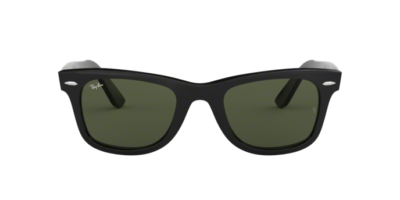
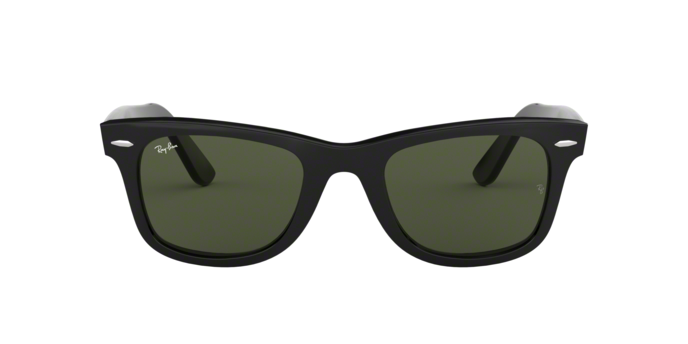
In the 2009 indie drama How I Got Lost, Aaron Stanford plays Andrew, a man unraveling after the death of his closest friend. The film follows him through a raw, unplanned road trip away from New York, where grief and recklessness blur into one another. Throughout, his character wears a pair of Ray-Ban RB3025 Aviators that feel less like a style choice and more like armor.
The RB3025 is Ray-Ban's defining aviator: a teardrop metal frame with a double bridge, slim temples, and that unmistakable green G-15 lens. On Stanford, the effect is rugged and unpolished, fitting for a man who's stopped caring about appearances. The dark lenses shield his eyes during long stretches of highway driving and quiet roadside breakdowns alike.
Director Joe Leonard keeps the camera intimate, often catching the aviators in reflective close-up as Andrew stares down empty roads and uncertain futures. The frame's lightweight build and generous lens coverage suit the film's restless, fly-by-night energy. In a story about losing direction and finding it again, the RB3025 Aviator becomes an anchor, a constant in a character's life that's otherwise coming apart at the seams.