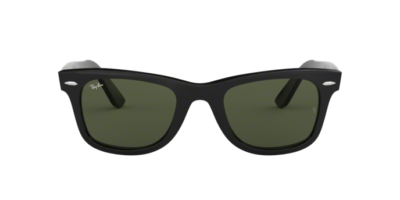
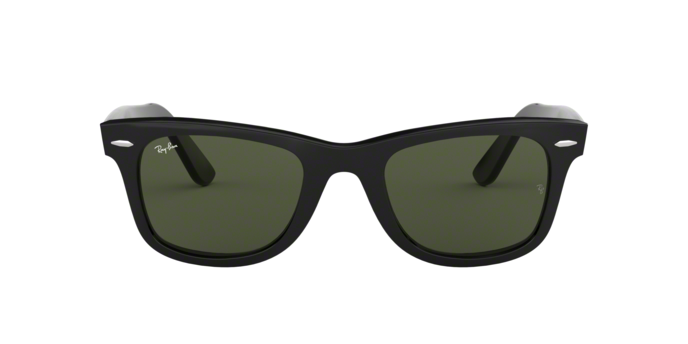
Kirsten Dunst has never been an actress who treats fashion as a competitive sport, and her 2013 appearance on the streets of Paris wearing the Ray-Ban Wayfarer RB2140 reinforced that philosophy with characteristic understatement. Wrapped in a smart coat against the European chill, Dunst let the Wayfarer's unmistakable black acetate silhouette do the heavy lifting — a choice that demonstrated an intuitive understanding of proportion and restraint. The frame's bold, trapezoidal architecture brought definition to her face while maintaining the kind of effortless cool that the French capital has historically claimed as its own cultural export.
There is something instructive about seeing an American actress deploy an American design classic on Parisian soil and watching the two sensibilities merge without friction. The Wayfarer's glossy black finish and substantial construction communicate a certain democratic confidence — it is a frame that belongs as much to rock stars and counterculture icons as it does to actors running errands. Dunst, characteristically, did not overthink the moment. She wore the Wayfarer the way Parisians wear their scarves: as though it had always been there, as though the alternative had never occurred to her. That is the definition of style done right.